



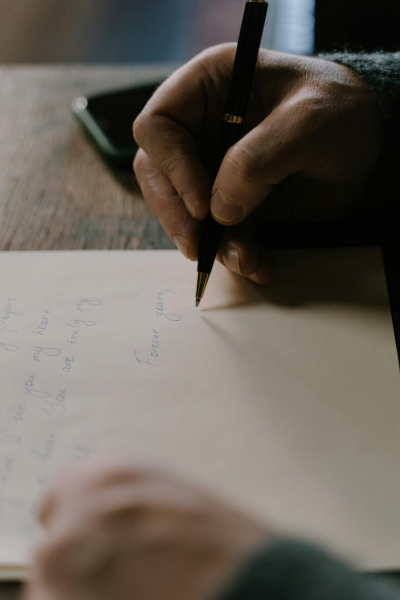
The editor came late to British publishing. Until well after the end of the Second World War, the man—and it usually was a man—who examined manuscripts sent in by prospective authors, wrote reports on them, and ultimately recommended whether they should be accepted or turned down was known as a “publisher’s reader.” Generally speaking, this functionary’s status was not high. He regularly operated from home or came into the office part-time. There were occasions when he worked simultaneously for several different firms, and in most cases his comments on the material he had to inspect were vestigial in the extreme. Evelyn Waugh’s older brother, Alec, employed by his father’s firm Chapman & Hall in the 1920s, remembered simply scrawling the acronym “NBG” (“No bloody good”) on the title page of anything that seemed conspicuously devoid of merit.
Read Full Article »Wielding the Blue Pencil
Comment
Show comments
Hide Comments
