



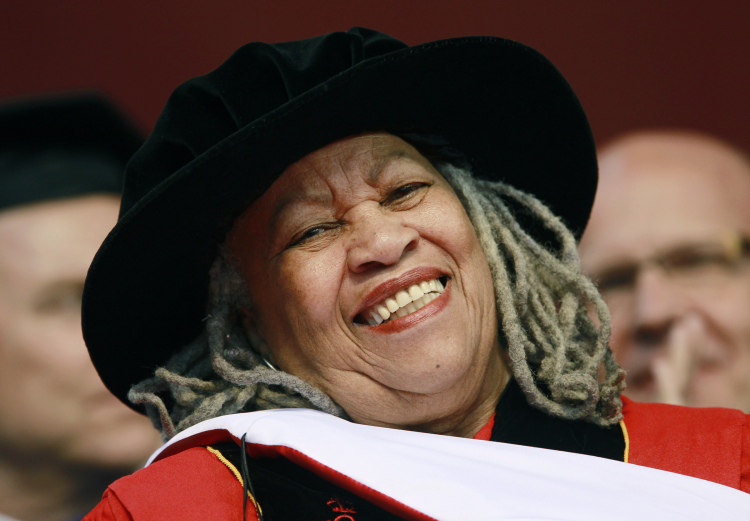
Toni Morrison has lately been bestowed with a dubious distinction: the patron saint of cancel culture. Beyond her cutting remarks about whiteness in widely memed television interviews, her literary criticism interrogates racialized language in a way that, on the surface, resembles so-called activist scholarship. Take this footnote from her 1989 essay “Unspeakable Things Unspoken” about an encounter with prejudice on the page: “It should have occurred to Kenneth Lynn in 1986 that some young Native American might read his Hemingway biography and see herself described as ‘squaw’ by this respected scholar, and that some young men might shudder reading the words ‘buck’ and ‘half-breed’ so casually included in his scholarly speculations.” This comment is emblematic of how most people think of Morrison—as someone who drew attention to how racism can pervade art and discourse in insidious, even if unintentional, ways.
Read Full Article »Toni Morrison’s Native Figures
Comment
Show comments
Hide Comments
