



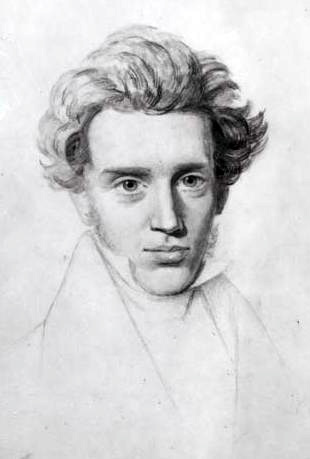
The year was 1845. At the time, the country of Denmark was experiencing a cultural renaissance of sorts. This “golden age” swelled with nationalistic fervor, artistic innovation, and intense political debate. Among its many rising cultural voices was Peder Ludvig Møller, a romantic poet and critic who often clashed with the rigid Hegelian orthodoxy seeping into the academy. He fancied himself a public figure in the mold of Lord Byron – sophisticated, worldly, and drawn to art and scandal.
Read Full Article »When Kierkegaard Got Cancelled
Comment
Show comments
Hide Comments
