



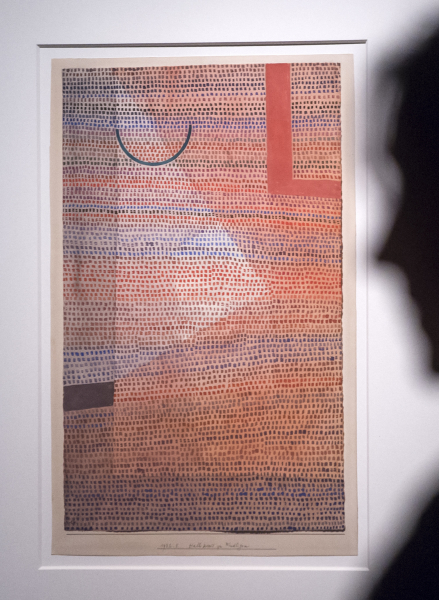
The Nazis wasted no time in denouncing the artist Paul Klee (1879–1940). On February 1, 1933, less than a month after Hilter’s ascendance, the periodical Die Rote Erde (The Red Earth) published a hit piece on the Düsseldorf Academy and its fifty-three-year-old instructor:
Then the great Klee makes his entrance, already famous as a teacher at the Bauhaus. . . . He tells everybody he has pedigree Arabian blood in his veins, but is actually a typical Galician Jew. He paints in a crazier and crazier way, he bluffs and baffles, his students goggle and gape, a new, unheard-of art makes its appearance in the Rhineland.
Born in Switzerland to a German father and Swiss mother, both musicians, Klee was not Jewish, Galician or otherwise. It made no difference. Within the year, Klee lost his academic post. The Gestapo raided his apartment in Dessau and seized six baskets of papers. Finally Klee was forced to relocate to Bern, the city of his birth. He lived out his final decade in Swiss exile.
Read Full Article »