



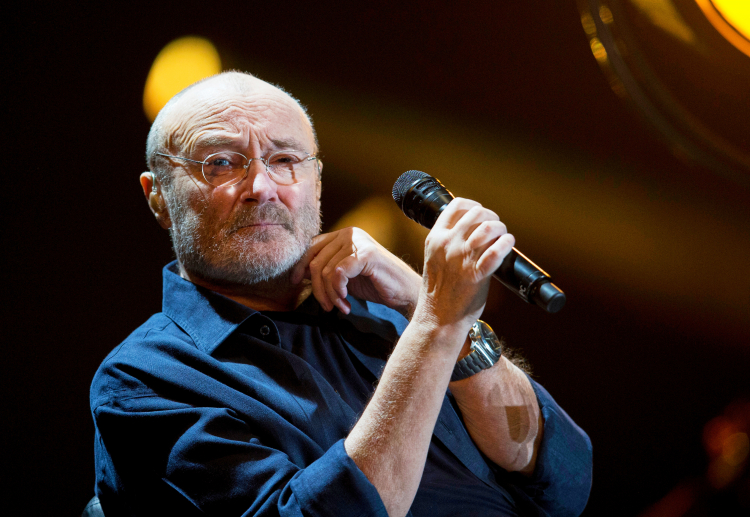
“Artists given complete freedom die a horrible death. So, when you tell them what they can’t do, they get creative and say, ‘Oh yes I can,’” Peter Gabriel told music journalist Mark Blake in 2011. This was Gabriel’s reasoning for telling his former Genesis bandmate, Phil Collins, whom he had recruited to play drums on his third self-titled album (nicknamed Melt) that he did not want the album to feature any cymbals. The limitations Gabriel imposed on Collins gave birth to a great new innovation in popular music. In 1979, while Phil Collins was in the middle of drumming at London’s Townhouse Studios experimenting with finding a compelling drum sound without using cymbals, engineer Hugh Padgham accidentally turned on the microphone hanging above the drum kit, which enabled those in the studio to communicate with those in the control room. The powerful sound that emerged from Collins’s drums when the mic was switched on was unlike anything he had ever heard before. It became known as the gated reverb and it was discovered at the perfect time, just when a new sound was needed to keep popular music fresh in the new decade that was about to begin. One year later, in 1980, when Phil Collins took time away from Genesis to record his first solo album, he used the gated reverb to its full potential and changed the course of music history with one iconic drum fill.
Read Full Article »In the Air Tonight
Comment
Show comments
Hide Comments
