



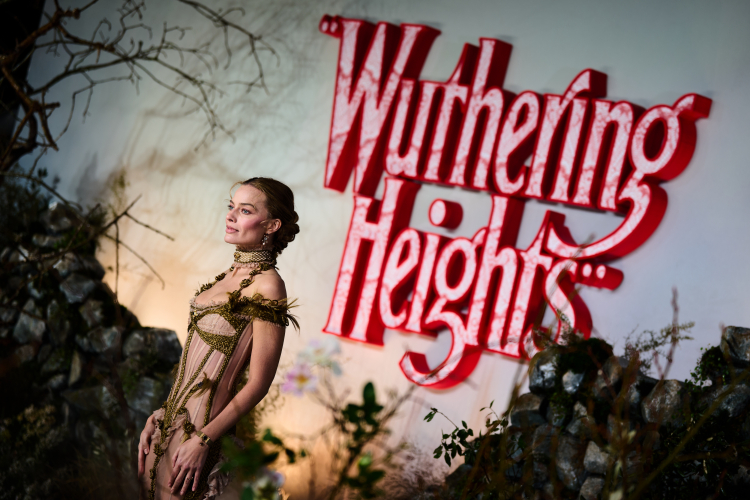
From the day it was published, no one has quite known what to do with Emily Brontë’s novel Wuthering Heights, which appeared quietly under the androgynous pseudonym Ellis Bell in 1847. A Gothic tale with a dizzying plot structure, idiosyncratic grammar, and irredeemable characters, Wuthering Heights spurns conventional Victorian purifiers like love, sacrifice, and religion in order to center violence and suicidal yearning. In her book The Brontë Myth, Lucasta Miller shows that early reviewers largely agreed the novel was unforgivably “coarse.” Some baffled critics conceded it was an undeniable work of genius, if unpleasant to experience. Some provocateurs who relished in shunning convention, like the poet Algernon Charles Swinburne, pushed jittery Victorian buttons by openly declaring their love of the book.
Read Full Article »Drive Me Mad!: On 'Wuthering Heights'
Comment
Show comments
Hide Comments
