



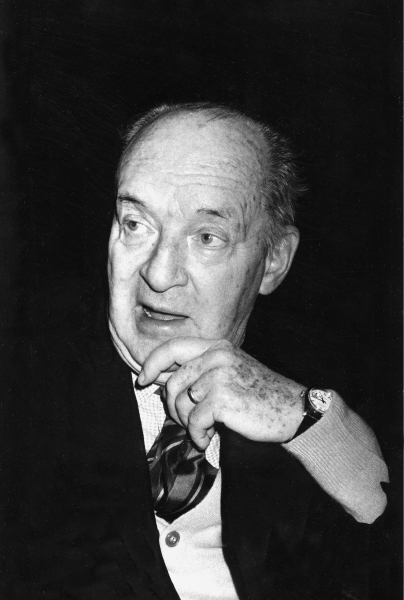
When I first read Vladimir Nabokov’s Lolita – on the recommendation of my young, handsome English teacher – I was disgusted. It was paedophilia. Lolita’s “juvenile” breasts, her pigtails – it all repelled me. Then I completed my English Literature degree and was initiated to the bohemian-intelligentsia view that artistic expression was innocent, with total immunity from moral indictment. Moral disgust was childlike; aesthetic appreciation a sign of maturity. I came to adore Nabokov, with his gorgeous prose and invitations to “soar into the ravishing realm of inutile imagination”. He was a particular champion because of Lolita, which had demonstrated that even the worst moral evils could be redeemed by sufficiently beautiful expression.
Read Full Article »Reading 'Lolita' on Epstein Island
Comment
Show comments
Hide Comments
