



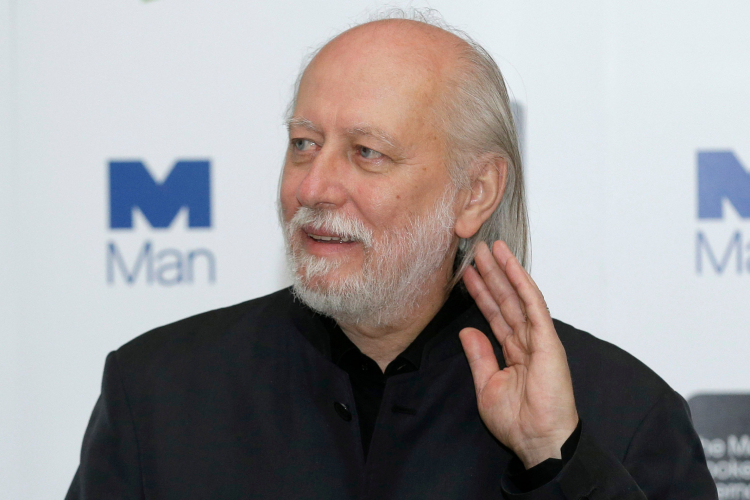
THERE IS A CRITICAL tendency to call László Krasznahorkai “difficult,” a term of convenience that allows the impatient and the devout to shelter under the same uneasy banner, albeit for opposite reasons. The impatient deploy it as a complaint—an exasperated shorthand for a writer who, in their view, refuses to hurry, who exacts from them an allegedly outdated form of attention. The devout, meanwhile, offer it as a kind of bow—an honorific that sanctifies the time his novels require. Both camps confuse effort with punishment. What gets labeled “difficulty” in his work isn’t an assault on comprehension but the restoration of an almost forgotten virtue—the older discipline by which reading proceeds at the tempo of consciousness, which is to say it is errant, recursive, even slow, yet ever alert to the eddies of thought that gradually become understanding.
Read Full Article »The Long Breath of the World
Comment
Show comments
Hide Comments
