



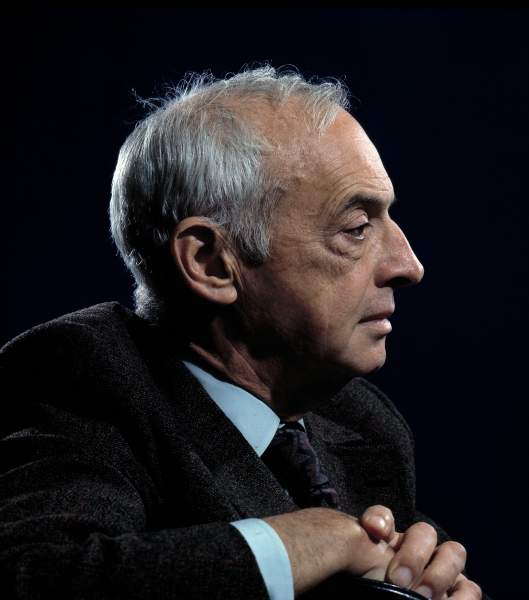
Twenty years ago, the year of Saul Bellow’s death, I chanced upon an unusually clean copy of Ravelstein in a ramshackle bookstall in New Delhi. India is an unexpected place to wind up reading, for the first time, this midcentury urban intellectual, comic dissector of America’s moronic inferno. But, as it happens, amidst the street chaos and the tiresome pressures of train travel and seedy hostels, I found that my irked, overstimulated soul was peculiarly receptive to the master’s comforting genius. I consumed the book in a couple of hours at a restaurant counter. I remember thinking that I would not soon forget the experience. But, hardly in my 20s at the time, I’ve wondered since what I detected in it. What did the man have to offer me, so green, so goyish? This was Bellow’s very last novel, written in his 80s. Riffing on topics of Jewishness, sickness, aging, dying, marriage, politics, history, friendship; he was a very adult sort of thinker, a mature man’s writer. Yet I was so thrilled by this that upon my return home I read all of his work, and later his essays and letters, then the multitudinous biographies, memoirs, and studies that came out in the decades following his death. Today I am that rare creature: the millennial Bellovian.
Read Full Article »The Manifold Mind of Saul Bellow
Comment
Show comments
Hide Comments
