



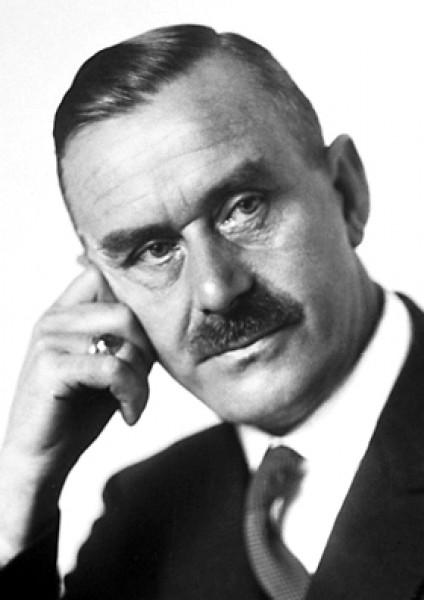
Hans Castorp, the protagonist of Thomas Mann’s The Magic Mountain, famously spends seven years at a tuberculosis sanatorium in Davos, Switzerland, instead of the three weeks originally planned. First published in 1924, The Magic Mountain quickly became a bestseller and is arguably the most influential German-language novel of the 20th century. On its face a sort of bildungsroman concerned above all with its young protagonist’s initiation into the life of the mind, the book presents an intricate account of the debates around culture, civilization, religion, morality, and humanism being hashed out in the years leading up to World War I. At the same time, it is also a playfully satirical story about what happens when an international cast of characters is confined for many months in the close quarters of a sanatorium high in the Alps, cut off from “flatlands” life by both geographical and spiritual/existential divides.
Read Full Article »Thomas Mann’s Pessimistic Humanism
Comment
Show comments
Hide Comments
