



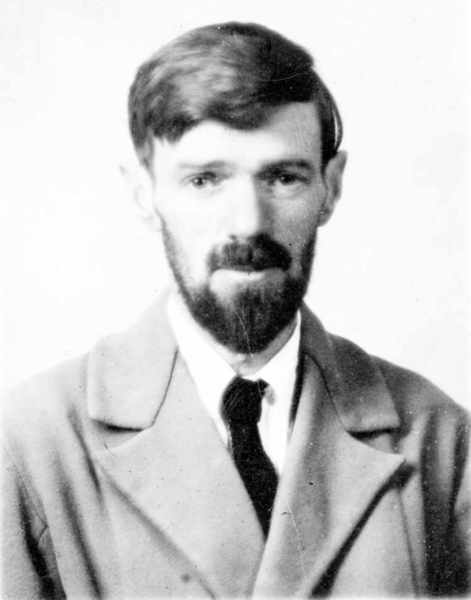
Birds, Beasts and Flowers (1923), D. H. Lawrence’s most monumental yet also strangest collection of poems, is a book of the postwar years—more precisely, of what its earliest written poem already senses will be an interregnum between wars. “Peace” begins by remarking upon the architecture of Taormina, like many Sicilian towns built from volcanic rock; it ends by asking: “Call it peace?” Lawrence had earlier asked the same question in private, writing to his friend Nancy Henry two days after the armistice in 1918: “You will have your husband very soon. How strange peace is.
Read Full Article »Poetry and the Censor
Comment
Show comments
Hide Comments
