



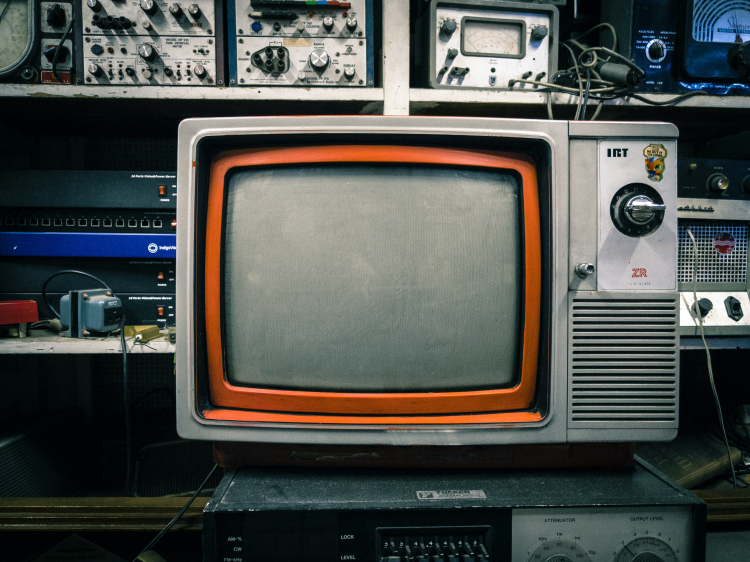
Novels are better than television. For a long time this thesis underwrote nearly all literature that tackled the subject of TV. In the canonical TV novels of the 20th century, the tube invaded your home (White Noise), fractured your family (Memories of My Father Watching TV), zapped your political will (Vineland), and, consumed in high enough doses, induced psychosis equivalent to the most brutal chemical addictions (Infinite Jest, A Fan’s Notes, Requiem for a Dream). From Richard Stern’s 1960 proto–reality TV satire Golk onward, literature dramatized the obvious truth about the idiot box: there was a steep psychic cost to the bottomless American need to be entertained, a need that could only be met by what Barbara Kruger called “continuously acrid signals” — emanations from a piece of evil furniture that fried its viewers’ minds with ideology, junky chatter, and footage of civilians being humiliated, plus commercials. “No good,” wrote George Trow in 1980, “has come of it.”
Read Full Article »New TV Novels
Comment
Show comments
Hide Comments
