



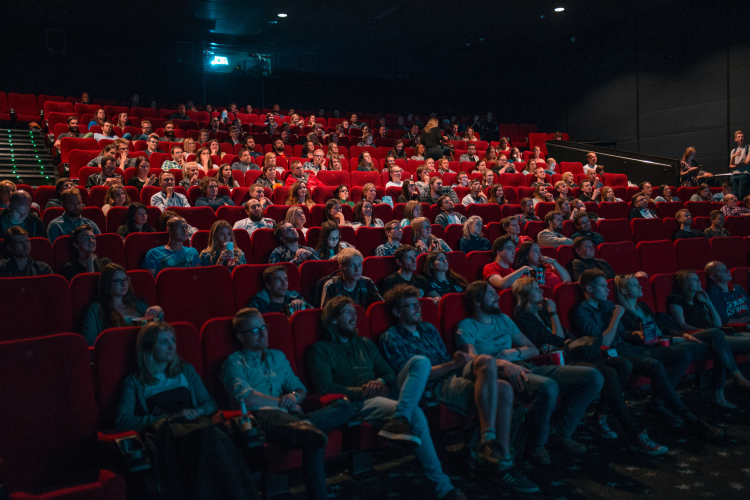
Few American events are as synonymous with summertime as the caravan of blockbusters that annually take over multiplexes. Since at least the mid-1970s, the public has become accustomed to seeing a very particular type of motion picture when the weather turns warm: those ungainly, often gargantuan epics of action, fantasy, and spectacle. In economic terms, these productions operate something like the federal budget—they cost a fortune to produce, and they are expected to bring in a fortune—and what they promise is not so much entertainment, and certainly not enlightenment, as much as brutalization.
Pioneering blockbusters like Jaws (1975), Star Wars (1977), and Alien (1979)—each released during, or just before, their respective summers—supplied audiences with primal jolts. In its construction and effects, 1981’s Raiders of the Lost Ark may have been the first big-budget movie that actually mimicked the experience of a roller-coaster ride, the form of recreation to which the picture has been endlessly compared. This past summer, the popularity of Oppenheimer and Barbie may have seemed like something of an aberration—can a movie about the atom bomb or a piece of candy-colored feminist agitprop be considered summer movie fare?—but, in fact, their success was all too predictable. Big, loud, costly, and (in the case of Oppenheimer) literally explosive flicks always sell tickets.
Read Full Article »