



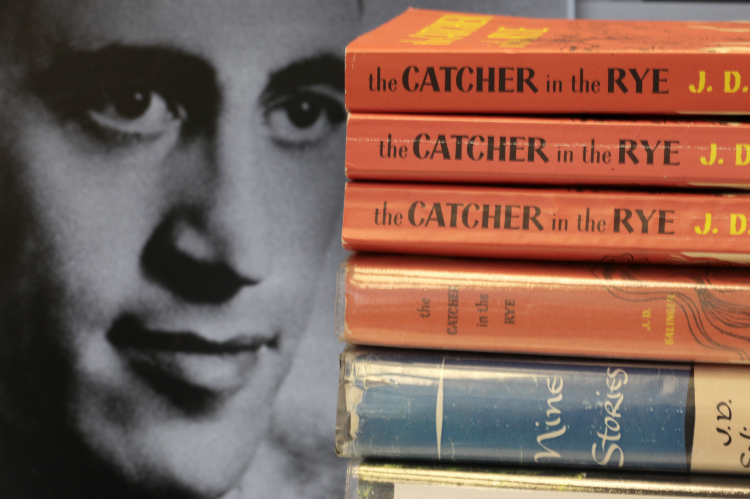
After J.D. Salinger published his story “Hapworth 12, 1924” in The New Yorker in 1965, he decided to stop publishing his works. Although he had resigned from his nearly twenty-year-long stint in the literary spotlight, retreating to a home in Cornish, New Hampshire, and beginning a reclusive lifestyle, he assured The New York Times in a rare interview in 1974, that “publishing is a terrible invasion of my privacy. I like to write. I love to write. But I write just for myself and my own pleasure.”
Salinger’s most famous novel, The Catcher in the Rye, has sold more than 65 million copies. His self-imposed exile was hardly acceptable to many among the throngs of readers longing for his next words, and, eventually, after years devoid of Salinger’s stories, some jilted readers turned Salinger’s inexplicable silence into the contemptible, purposeful isolation of a man who believed himself above the rest, with many attempting to do whatever they could to draw him, and the unpublished works he seemed to be hoarding, back into the public eye.
Read Full Article »
