



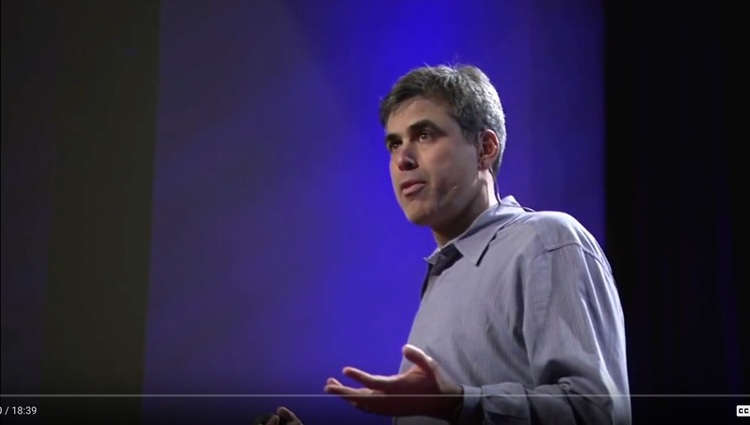
Over a decade ago, at the annual convention of the Society for Personality and Social Psychology (SPSP), social psychologist Jonathan Haidt gave a “provocative” talk. “When sacred values are threatened,” he explained, “we turn into ‘intuitive theologians.’ That is, we use our reasoning not to find the truth, but to find ways to defend what we hold sacred.” Haidt warned that social and personality psychology had become a tribal moral community. It had developed “taboos and danger zones.” He thought the lack of viewpoint diversity was not statistically possible as a result of chance. “We are hurting ourselves when we deprive ourselves of critics,” Haidt said, “of people who are as committed to science as we are, but who ask different questions, and make different background assumptions.”
Read Full Article »The Credibility Crisis in Psychology
Comment
Show comments
Hide Comments
