



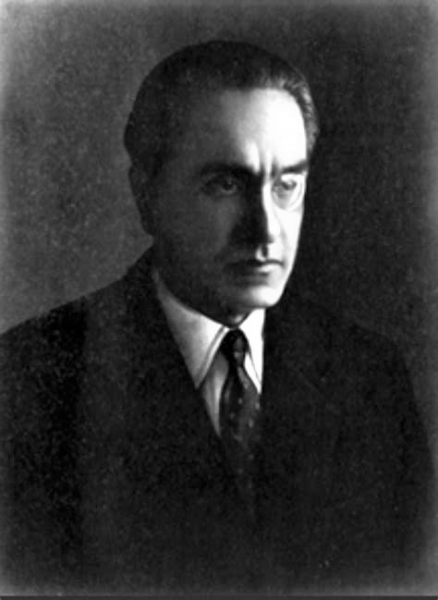
Back in 2017, when Donald Trump was newly inaugurated to the American presidency, and what was then known as the alt-right was riding its brief Internet-fueled period of chaotic cultural ascendancy, some of the right’s most esoteric and extreme thinkers began to tip their intellectual hand. Most prominent among them—at least in the United States—was Steve Bannon, at one time Trump’s ideological right-hand-man, who in a February 2017 speech to the Vatican made headlines by alluding to one of the 20th century’s most controversial thinkers, the Italian mystic, occultist, and self-proclaimed superfascist Julius Evola. At surface-level, it was an offhand reference—Bannon was describing Alexander Dugin, a similarly occult-minded Russian philosopher whose relationship with Vladimir Putin was sometimes compared to Bannon’s own with Trump. But to those attuned to the history of the mystic 19th-century movement known as Traditionalism, it was a revelatory dog-whistle, perhaps even a key to Bannon’s whole ideology. Like many of the figures central to the movements known as “neo-reactionary,” “alt-right,” and more recently, the “New Right,” including the British philosopher Nick Land, and the pseudonymous, improbably ubiquitous Twitter author known as Bronze Age Pervert, Bannon has a well-documented interest in Western esotericism, and in particular the sort of Traditionalism espoused by Evola.
Anti-Modern Anti-Semitism
Comment
Show comments
Hide Comments
