



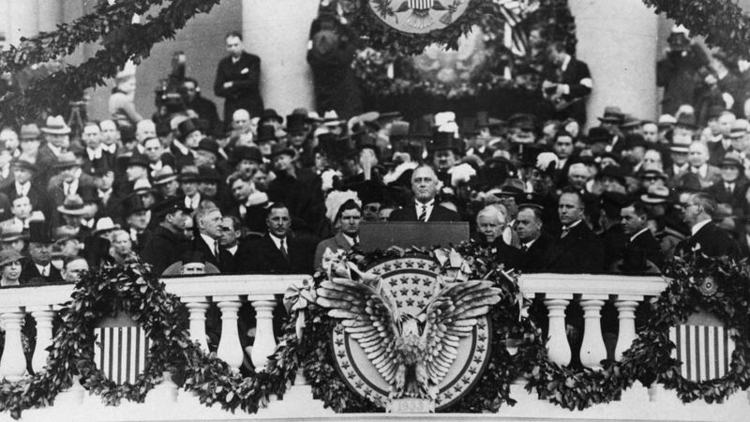
In today’s fast-paced news cycle, it can be hard to remember what happened last week, let alone decades ago. Michael Kazin’s "What It Took to Win: A History of the Democratic Party" describes the party’s development as a force for advancing the interests of working people. “Democrats,” he writes, “won national elections and were competitive in most states when they articulated an egalitarian economic vision and advocated laws intended to fulfill it – first only for white Americans but eventually for every citizen.” Kazin captures the spirit of this ideal in the term “moral capitalism,” which he explores through nine periods in American history, from Andrew Jackson’s war against the Second Bank of the United States to Franklin Roosevelt’s attack on “economic royalists,” and beyond.
What Does it Take for Democrats to Win?
Comment
Show comments
Hide Comments
