



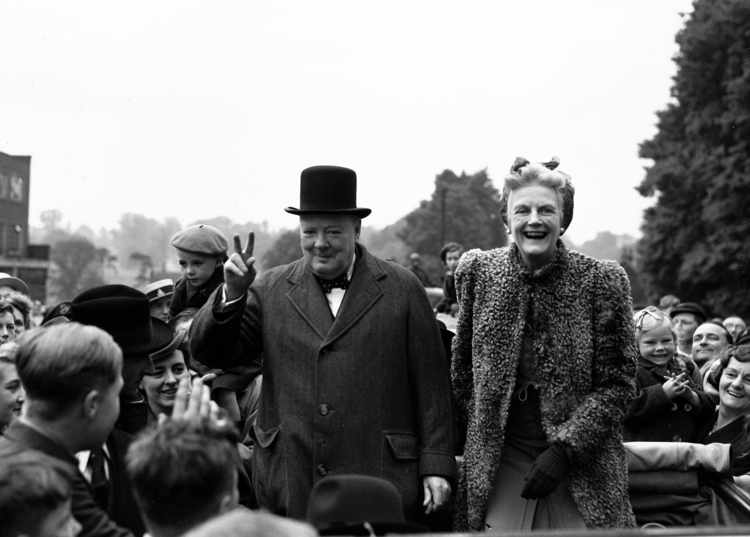
Daniel Todman certainly can write. Academic historians have handed down a raft of doorstopper volumes on Britain’s role in destroying Nazism but too often in a clotted style that defies readability. Todman, by contrast, is a natural storyteller. Presented with a bewildering array of disparate events, he creates a narrative that is at once comprehensible and enlightening. Foregoing blow-by-blow accounts of the set-piece battles, the distinctive contribution of this book is to interweave the military successes (too few) and setbacks (too many) with the political and economic manoeuvrings between London, Washington and Moscow, and within the Churchill-led coalition of ideological opposites.
And what a tale there is to be told. Britain in 1942 was at a point where survival, let alone victory, was a prospect so distant as to be beyond speculation. The nadir was defeat in Malaya and the fall of Singapore, the result of military incompetence on a monumental scale.
With Australia, New Zealand and India under threat from Japan, the death knell of the British Empire was widely anticipated. Meanwhile, German U-boats were roaming the Atlantic bent on destroying the American lifeline to Britain and coming close to doing so. At home, austerity was beginning to bite, with petrol no longer on sale for private use and tougher rationing of food and other essentials such as soap.
Read Full Article »