


The philosopher Walter Benjamin endured Germany's economy after World War I and observed that when financial disaster strikes and inflation runs rampant, “all close relationships are lit up by an almost intolerable, piercing clarity in which they are scarcely able to survive. . . . Money stands ruinously at the center of every vital interest.”
What was true for the Weimar Republic applies equally in our own day. Money has a lethal power to expose our transactional nature. It matters, then, how we understand money, because we are talking about not just the means to spend, save and invest but the very essence of human relationships, from the interactions of nations and banking systems to the pocket change we give to children.
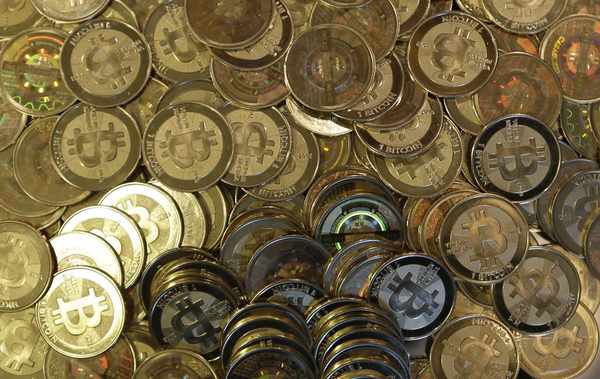
The emergence of digital cash, including bitcoin and Facebook's recently announced cryptocurrency, Libra, is about more than security, privacy and making payments easier. As Finn Brunton writes in “Digital Cash,” these new forms of money challenge “an implicit set of assertions about value, time, history, and social structure.” The pioneers of digital cash didn't start by simply considering the technical challenges of establishing currencies outside the established systems of government and banking. They were guided by “philosophical and social commitments on authority, sovereignty, and the nature of value.”
Read Full Article »