


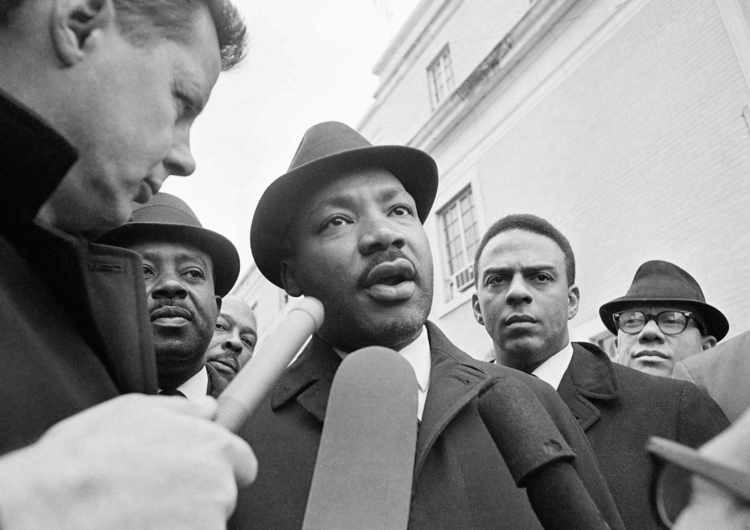
“Gone was the optimism of 1963. It had been replaced by a sense of disillusionment, a sense of urgency that America was about to lose the last chance to have its soul.” This was how Jetmagazine described the climax of the Poor People's Campaign, which reached Washington, DC, in the tumultuous summer of 1968. For Jet and for many early civil-rights activists, the Poor People's Campaign marked a frustrating epilogue to a movement that had captured the nation's attention in the first half of the 1960s and come to a frustrating pace of change in its second half. Slowed by white backlash and political exhaustion, civil-rights leaders hoped the Poor People's Campaign might give new energy to the radical visions of emancipation they had helped popularize, but for many in the movement's rank and file, it felt like a desperate last cry rather than the beginning of a new phase in the struggle for racial equality.
In her new book King and the Other America, historian Sylvie Laurent helps rescue the Poor People's Campaign from this unfair reputation and makes a compelling case that it deserves to be not only better remembered but also more closely studied and emulated by the left today.
For Laurent, the Poor People's Campaign was the start of a new phase of radical activism and egalitarianism. While it failed to achieve the kinds of concrete reform that the earlier civil-rights movement won, it did inspire a whole generation of radicals to take a more holistic look at how discrimination in American society worked, helping them forge a powerful critique of racial and economic inequality in America. The Poor People's Campaign, she argues, was a critical turning point and yet also a missed opportunity.
Read Full Article »