


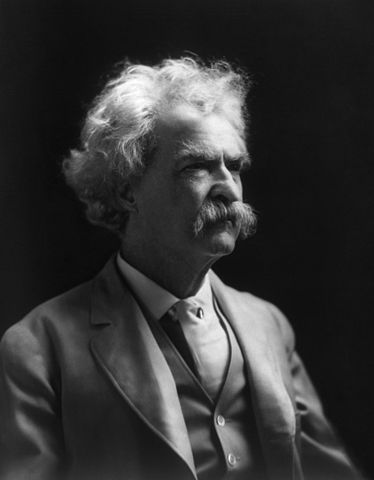
What book about wit doesn't contain a single quotation from either Mark Twain or Oscar Wilde? The answer, of course, is this one. For James Geary hasn't produced a compendium of quips, comebacks, ripostes, zingers or verbal firecrackers, but rather a serious, even a philosophical study of — as his subtitle declares — “what wit is, how it works, and why we need it.”
This doesn't mean, however, that “Wit's End” could ever be mistaken for an earnest, academic tract. Far from it. In a chapter titled “Wisdom of the Sages,” Geary relates a story about Hershele Ostropoler, an 18th-century Eastern European butcher who became a kind of jester to a melancholy Rabbi Barukh. Once when the rabbi was too depressed to eat, “Hershele sat down across from him and slipped a silver tea spoon into his pocket. Before Barukh could rebuke him for the theft, Hershele said, ‘Doctor's orders: Take a teaspoon with every meal.' ” The rabbi, smiling, recovered his appetite.
